Technical Analysis: Indicators And Oscillators
crypto·@steemgiirl·
0.000 HBDTechnical Analysis: Indicators And Oscillators
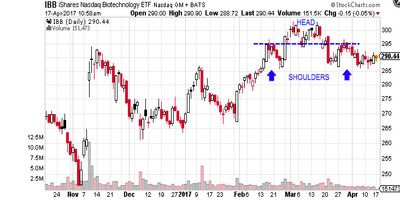 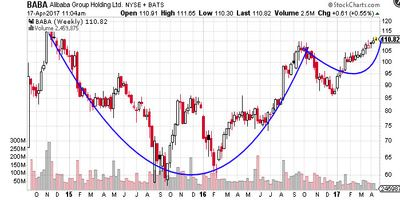 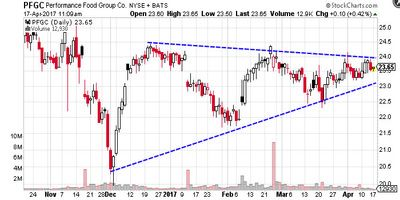 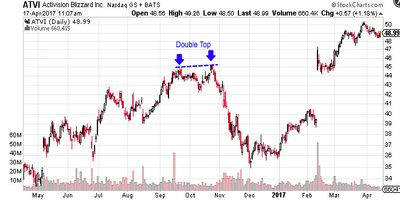 There are two primary types of indicators: Leading Indicators. Leading indicators precede price movements and try to predict the future. These indicators are most helpful during periods of sideways or non-trending price movements since they can help identify breakouts or breakdowns. Lagging Indicators. Lagging indicators follow price movements and act as a confirmation tool. These indicators are most useful during trending periods where they can be used to confirm that a trend is still in placing or if it’s weakening. Read more: Technical Analysis: Indicators And Oscillators https://www.investopedia.com/university/technical/techanalysis10.asp#ixzz55bhtZiXC Follow us: Investopedia on Facebook