What do you see?
hive-126152·@tarazkp·
0.000 HBDWhat do you see?
<div class="text-justify"> A not unexpected number came up today, where the Finnish mental health organization announced that last year there were 100,000 more calls to its helpline than the year previous. To put that in perspective, with 400,000 calls, that is over a thirty percent increase in a year. Not only that, the two largest concerns of callers was anxiety at number one, and relationship challenges at number two. I say that this is unsurprising, because back at the very start and before lockdowns were even enforced anywhere, I was saying that this would be the result. At the time, people argued with me and said that the short-term gains were worth more than the long-term detriment, but increasingly, people seem to have realized that they were wrong they underestimated the cost and, they poorly predicted how they would feel about the outcomes. 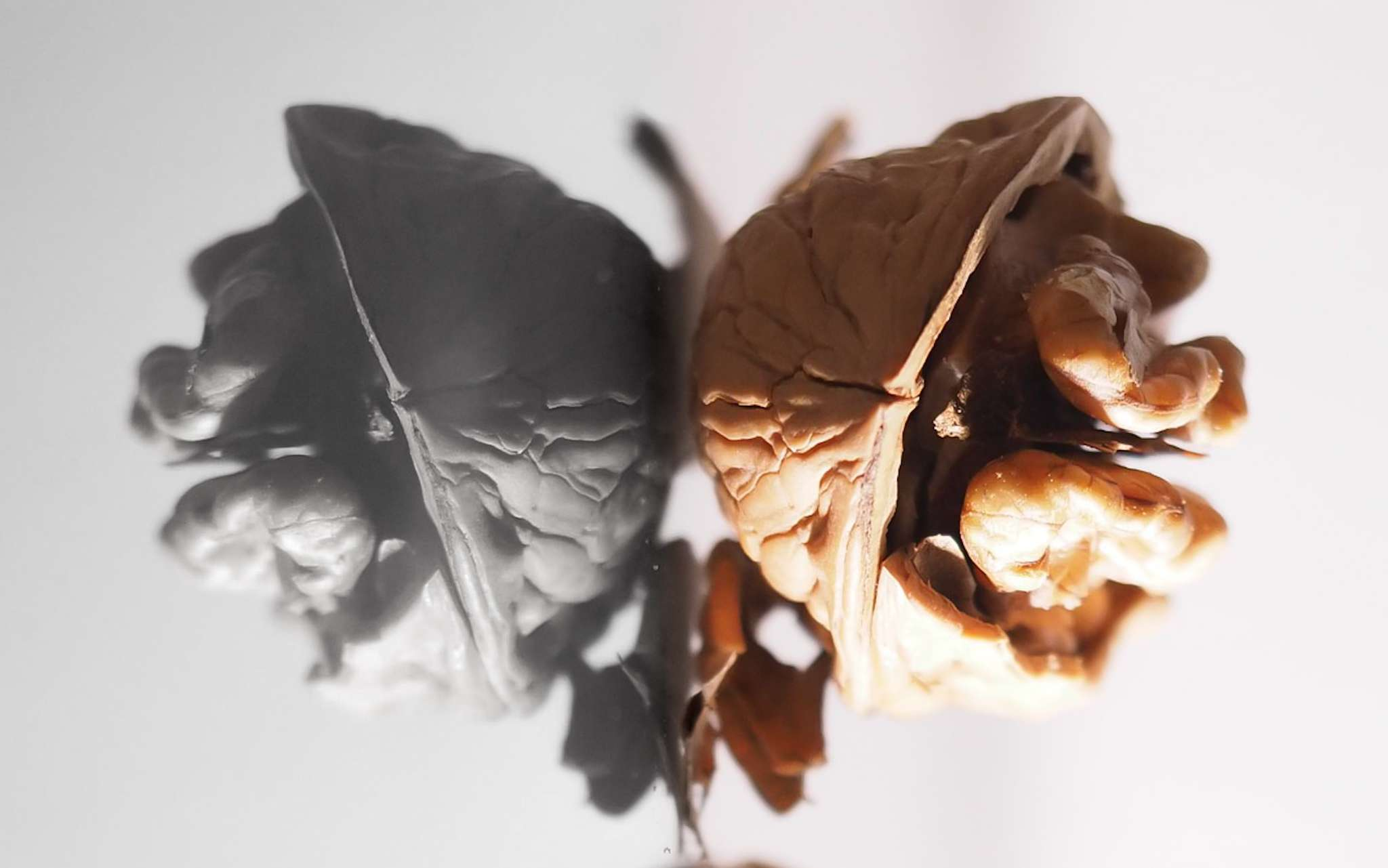 Mental health has always been of interest to me, but it has become more so since I had a stroke, as that event fundamentally changed not only my mental acuity, but also aspects of my personality, and unfortunately, parts that I relied on as strengths of my character and part of my skill differentiation from others. Having core parts of who we are heavily affected or losing them completely means losing more than access, as it also affects how we experience life and feel about our own circumstances. >It can be isolating. And I believe that through the lockdowns and the changes in cultural behavior toward interacting with each other, a large number of people were forced into a type of isolation, where the already tenuous connections we have to each other, were rapidly eroded even further. And, again as predicted, the ones who have been influenced the most have been the younger generations, as they were in the more social stages of their life, where they were learning how to develop relationships, connecting for lifelong friendships and finding their partners. It might have only been impacted for around two years, but there has been a cultural shift that has prolonged the process and stretched it out further, and the impacts are going to be felt for decades to come and for some, they will never recover socially. I know many people who have commented about their discomfort still and most have not returned to anywhere near the level of social engagement they had prior, instead preferring to spend more time in immediate circles only, or more time alone completely. And with the increased ability for many in the workplace to avoid being back in the office, there is less chance to break the cycle, while more chance to downward spiral. And, I believe that this is what the helpline is observing, as people no longer have as strong networks to rely on to support through difficult times. And, these networks are especially important in times of turmoil, change and disruption, which is what many are experiencing, even after lockdowns ended - as war broke out, violence increased, inflation shot up, job security reduced and utility costs increased enormously. With a range of pressures mounting and no one to turn to, they also felt isolated. They can no longer *phone a friend* and discuss these topics or even just talk about the day, as many relationships are no longer of the kind where that is possible, as that care and intimacy has been all but lost for so many. So, they reach out to strangers to satisfy their need for a shoulder of support, or possibly, turn to other ways to avoid the feelings of isolation and anxiety altogether, like drink and drug usage - or immersing into consumer entertainment. I haven't looked into all of the numbers, but there are increasing reports of lockdown-related issues arising, including that dreaded "excess death" statistic that so many were scared of. The difference is that unlike during Covid times, the excess deaths are not Covid-related, they are what would have otherwise been healthy enough people, not getting the treatment they needed or having their conditions worsen, as they have isolated themselves. In the UK, excess deaths are 9% higher in 2022 than they were in 2019. But, this is the mid-term issue - the real issues are going to keep coming down the road for years, where there has been continued breakdown of social connections, increased social violence and polarization, that is going to increasingly degrade social fabric and isolate people further. Then, this is of course going to impact on all manner of interaction, and change the behaviors in the workplaces and the classrooms, further reducing the ability to really connect, as people find ways to avoid each other, *out of fear.* I suspect that this period in the last few years has led to the greatest reduction in wellbeing in the history of the world, as it has been applied to nearly everyone globally and simultaneously. I don't know where it leads, but I believe it isn't going to make us stronger on average, rather it is going to be a grinding down of gains that we had made over the last several decades, pushing us apart in ways that fundamentally affect our quality of life for the worse. And if we don't take it ion our own hands to make difference for ourselves, we are going to go down with the masses, thinking it is normal behavior. What do you see? And what do you *feel?* Taraz [ Gen1: Hive ] </div>
👍 cst90, coffeea.token, hive-142864, akipponn, immanuel94, therealyme, warmstill, gaottantacinque, th4488, kevinwong, cribbio, d-company, kat.eli, officialhisha, netaterra, abwasserrohr, steem.craft, gasaeightyfive, retaliatorr, drricksanchez, mrwang, arconite, nurhayati, dbooster, ikrahch, orthodoxnudism, liaminit1, idea-make-rich, kitsuki, khan3579, noloafing, afterglow, babytarazkp, bruleo, abh12345.archon, drexlord, thiskava, silversaver888, khalneox, jeffmackinnon, mvmoning2021, mciszczon, rbm, emstone, tsurmb, bearjohn, sumatranate.leo, jontv, abh12345.pal, jkp.nisha, driptorchpress, sumatranate, joeyarnoldvn, khalpal, reggaejahm, rdfield, scooter77.pob, aynal, ew-and-patterns, shani.jahming, rmsadkri, technicalone, dorkpower, g4fun, tipsybosphorus, dandesign86, nichemarket, xyz004, instytutfi, cryptoandcoffee, tamiapt6, abh12345, philnewton, src3, reggaesteem, abitcoinskeptic, racibo, misterengagement, hive-108278, mattbrown.art, isabel-vihu, mallorcamum, blockbroccoli, lestrange, edwardstobia, smasssh, allover, pcojines, borran, jamesbrown, thrasher666, abh12345.sports, papilloncharity, revisesociology, jemmanuel, mikepm74, alexa.art, reymoya95, edb, ninnu, unpoetaenamorado, saboin.sports, revise.spk, shohana1, goingbonkers, hugo1954, asmr.tist, molometer, yousafharoonkhan, superlao, rituraz17, fknmayhem, marcocasario, andrastia, jongolson, angelica7, lackofcolor, gerardoguacaran, codingdefined, digital.mine, bastter, camplife, iikrypticsii, shanghaipreneur, ericburgoyne, carlosp18, islanderman, photosnap, cbridges573, zwhammer, bulldog1205, dosh, newageinv, njker, iproto, cimmeron, pocket-rents, russellstockley, erangvee, fullcoverbetting, blessed-girl, borniet, debilog, lerma, rasalom, votebetting, erang, rubencress, voxmortis, hivebuilder, bozz, sbi4, moeenali, blewitt, goblinknackers, crowdwitness, nikoszzz, cashheaven, itinerantph, abdulmath, blanchy, d0zer, sbi-tokens, mjmarquez4151, alg-nftgaming, blainjones, scholaris, gloriaolar, bigtom13, mjvdc, sneakyninja, mastergerund, thedailysneak, piensocrates, lizelle, por500bolos, cryptoknight12, teamaustralia, intrepidphotos, zemiatin, mytechtrail, roberto58, denmarkguy, shortsegments, tamaralovelace, tryskele, kommienezuspadt, gringo211985, yanes94, lowlightart, potpourry, uwelang, socialmediaseo, curatorcat, psicologiaexpres, cryptoccshow, leprechaun, meesterboom, theluvbug, nickydee, jaynie, abcor, abacam, cards4rent, bet1x2, teamashen, contentisking, marketinggeek, dolunay18, jhelbich, bitcoinflood, leomolina, pepitagold, agmoore2, cyclope, agustinaka, kurkumita, shanibeer, halukshananah, nanzo-scoop, emily-cook, mummyimperfect, ak2020, t-bot, mafeeva, scoopstakes, nanzo-snaps, kgswallet, espoem, wisbeech, penguinpablo, cryptonized, funnyman, hungrybear, twicejoy, jacuzzi, p1k4ppa10, leslierevales, deadsparrow, macchiata, dandays, azircon, inpursuit, joseda94, iwansyuhada, pursuant, owasco, treasuree, abrahan414, soyrosa, b00m, nill2021, citizensmith, vida-blanca, r-nyn, hive.friends, steemcleaners, fatman, votehero, msp-makeaminnow, eturnerx, hivewatchers, abh12345.stem, slider2990, juecoree.stem, freddbrito, abh12345.leo, oluwoleolaide, meesterleo, lifeof.abdul, name0, asklanbudi, rynow, jasonwaterfalls, sazbird, ijelady, zpek, sillybilly, regenerette, bagpuss, jesus-son, galenkp, beautifulwreck, gollumkp, galenkp.aus, hive-168869, becca-mac, simplymike, organicgardener, oac, noekie, battlemaster, naturalkiller, monsterdoom, mylibrary, bfciv, royaleagle, flxlove, ltcih, ltcij, ltcil, ityp, t1pf, golddeck, logantron, gooddeck, hackersfund, gawz69, doomsdaychassis, itmp, thanksforplaying, blind-spot, drrune, luciannagy, preparedwombat, videoaddiction, emma-h, steemadi, steemychicken1, stdd, mattclarke, davidtron, pieternijmeijer, varunpinto, thatkidsblack, ileart, combination, drakernoise, mytunes, paholamarin, boboman, alekst7, jokinmenipieleen, celestegray, insaneworks, daveks, artonmysleeve, milaan, anacristinasilva, manniman, xianlaiyiju, ryivhnn, gorc, pixietrix, shadowlioncub, fieryfootprints, softworld, santigs, acidyo, alphacore, worldwildflora, mister-meeseeks, empoderat, juanvegetarian, ghaazi, leveluplifestyle, trasto, supreme-verdict, elyelma, meltysquid, sketchygamerguy, relf87, photographercr, hivebuzz, cwow2, lizanomadsoul, arcange, shainemata, raphaelle, jasonbu, fengchao, steemitboard, marivic10, ukulima, artmom, storiesoferne, cowboyphylosophy, ablaze, ducecrypto, the420syndicate, humbe,